Contents
Customer review marketing is changing how we understand and respond to what consumers expect. In this guide, we show you how to get the most out of feedback, from careful analysis of comments to improving your products, including optimizing your local SEO.
Everything described in this article is automated in the monbizness subscription, with an AI that answers in your tone.
Customer reviews and satisfaction at the heart of marketing
Today, customer reviews are a strategic element you cannot ignore. Every testimonial sheds unique light on how your brand is perceived, offering valuable information that traditional studies cannot provide. Knowing how to use these reviews to build loyalty among your customers has become essential in today's digital economy.

Why customer reviews guide consumers
The success of customer review marketing comes down to an undeniable fact: nearly 90% of internet users read reviews before any purchase. This figure shows how crucial social proof is in buying decisions. Consumers systematically look for validation of their choices from other customers, which makes every testimonial essential in their buying journey.
Ratings and comments directly influence your sales performance. A product page showing a 4.5-star rating along with detailed reviews can increase your clicks by nearly 30%. This mechanism creates a virtuous circle where customer satisfaction boosts your visibility and your sales.
The authenticity of testimonials is fundamental to inspiring trust. Unlike advertising messages, authentic reviews enjoy exceptional credibility because they reflect real experiences. This human dimension creates an immediate connection with your audience.
Satisfaction and conversion on your key pages
Skillfully adding testimonials to your important pages significantly improves your local SEO. Reviews naturally enrich your content with relevant terms, creating a perfect match between customer satisfaction and search rankings.
Placing customer quotes next to your call-to-action buttons considerably reduces hesitation to buy. This "contextual social proof" reassures prospects at the crucial moment by showing them positive experiences had by others. The psychological effect is immediate: validation from peers dispels the last doubts.
The geographic origin of your reviews strengthens your credibility. A business showing testimonials from customers in the area inspires more trust than one with generic comments. This geographic closeness encourages a natural sense of identification between prospects and reviewers.
Built-in collection and effective replies
Collecting reviews requires a methodical approach built into the customer journey. Sending a review request within 24 to 72 hours after a service improves responses by capturing immediate satisfaction. This ideal timing ensures accurate comments based on recent experiences.
Making it simple to leave a review is crucial. A QR code on a receipt or a direct link in an email turns this step into an instant action. This ease of access increases both the quantity and the quality of the reviews you collect. The next step is to automate customer feedback collection over time.
Replying to customer reviews shows your commitment to satisfaction. A personalized reply to compliments strengthens customer relationships, while skilled handling of criticism can turn unhappy customers into true ambassadors. This visible responsiveness also reassures prospects by showing that you can solve problems.
Google customer reviews and local satisfaction
Review platforms like Google are an essential strategic lever for business visibility. Their influence on rankings in the Local Pack and on Google Maps makes them indispensable tools for standing out locally. Every comment posted is a valuable chance to improve your online presence. Knowing how to use Google reviews smartly has become a key factor in commercial success.
Collect Google reviews and make them easy to leave
An effective strategy for customer review marketing relies on organized, multichannel collection. Diversify your approaches to maximize responses: automated post-purchase emails, QR codes at the point of sale, requests through social media or personalized text messages. This method significantly improves your collection rate.
- Simplified links: Use shortened URLs to your review page so consumers can leave a review easily
- Ideal timing: Ask for a review within 48 hours of a positive experience to get more responses and more relevant testimonials
- Permitted incentives: Offer no-strings gifts (e-books, guides) to encourage customers without compromising the authenticity of reviews
An optimized Google My Business profile amplifies the impact of your customer reviews. Complete it with care: professional photos, accurate opening hours and a detailed description. Keeping your NAP details (Name, Address, Phone) consistent across all online directories strengthens your credibility in the eyes of the algorithms.
Personalize your review requests for better results. Mention the customer's first name and the service they used: these details significantly increase response rates compared with standardized messages. This personalized approach creates a genuine connection and motivates customers to share their experience.
Reply and moderate for consumers
Proactively handling negative feedback lets you turn criticism into positive social proof. How quickly you solve problems matters as much as the quality of your offer. Reply with empathy and speed: it reassures prospects and shows how responsive you are.
Your response time is a crucial indicator. Reacting within 24 to 72 hours at most shows your professionalism and works in favor of your company's image, even in the face of dissatisfaction.
Put reviews to work in your campaigns
Add authentic testimonials to your marketing campaigns to multiply their effectiveness. Excerpts of online reviews in your Facebook or Google Ads ads boost CTR by providing immediate social validation.
Identify your best ambassadors among your most satisfied customers. Offer them collaborations for video testimonials or referral programs. This recognition deepens their engagement and generates credible marketing content.
Customer reviews and satisfaction analyzed by AI
Our semantic analysis technology intelligently decodes customer feedback by closely analyzing natural language. This innovative approach turns thousands of reviews into actionable data, revealing subtle trends to inform your strategic decisions. For a broader view, discover the role of AI in customer reviews.

Turn verbatim comments into action
Our AI specialized in customer review marketing does not just read comments: it detects precise emotional and behavioral patterns. Automatic semantic analysis identifies recurring themes, measures the intensity of feelings and spots emerging weak signals.
Our system methodically organizes feedback so you can make better use of it. By categorizing reviews (features, performance, design, service, price), you become more efficient at prioritizing your actions. This review management turns the flow of comments into a clear operational roadmap.
Taxonomy, themes and sentiment
Our solution simultaneously analyzes the volume and the linguistic nuances of customer reviews. It captures not only keywords but also their emotional context and associations. This depth of analysis opens up unique strategic opportunities.
Spotting specific entities in comments (products, teams, processes) allows targeted fixes and a better understanding of the key moments in the customer journey.
Tracking sentiment over time concretely measures the impact of your improvements. Before-and-after comparisons validate your actions rigorously thanks to this ongoing semantic analysis, speeding up your continuous improvement process.
Prioritization and the improvement loop
Quantifying the data guides your priorities intelligently. By cross-referencing how often something is mentioned, emotional intensity and impact on satisfaction, you identify the most effective levers. This objective approach maximizes the return on your efforts. To automate this prioritization, browse the blog's tools, AI and automation articles.
Building these analyses into your customer review management becomes a decisive competitive advantage. Teams get shared, dynamic dashboards, improving responsiveness and consistency in improvement plans.
Customer reviews in the consumer journey
Placing customer reviews smartly at every step of the buying journey multiplies their impact on conversions and loyalty. Where you display them, the format you choose and when you publish them all play a key role in how consumers perceive you and in their buying decisions. Taking this strategic approach turns your reviews into real sales tools.
Where to display reviews for more satisfaction
A good customer review marketing strategy relies on showing testimonials in the right places. On your website, a dynamic widget showing the latest feedback and your average rating should appear from the home page, immediately creating a climate of trust.
- Targeted product pages: Place relevant reviews near product features and buy buttons to remove the last objections
- Dedicated testimonials page: Build an organized page with topic filters to make browsing easier and improve your search rankings
- Optimized social media: Regularly share your best reviews in different formats (posts, stories) to increase your visibility
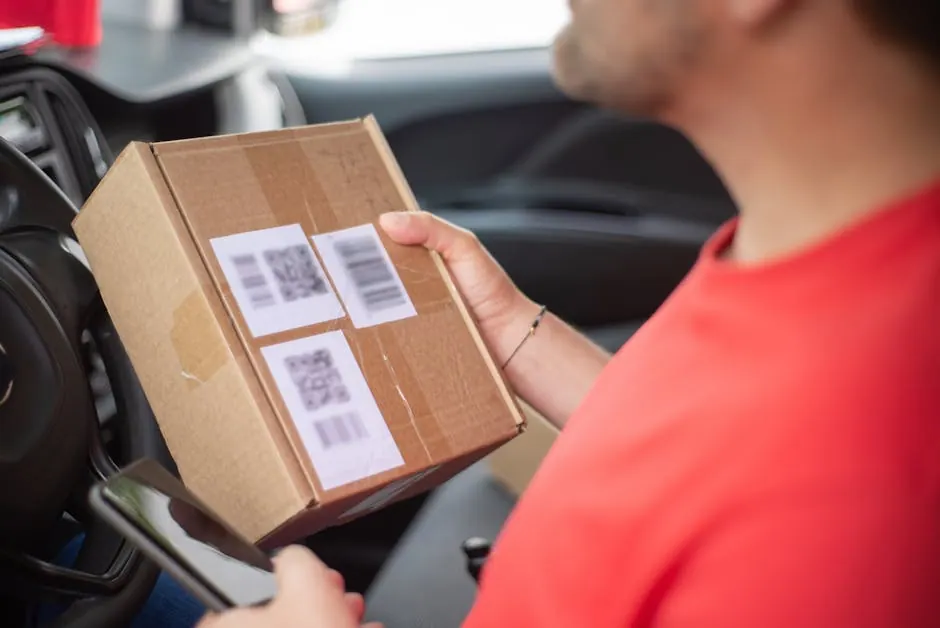
- Connected physical materials: Add QR codes and quotes to your printed materials to link your offline and online channels effectively
Showcasing local testimonials significantly strengthens your credibility. A shopkeeper displaying customer reviews from their own neighborhood naturally inspires more trust than anonymous ratings. This geographic approach creates an immediate bond of proximity with your prospects.
Collection, proof and distribution
Verifying online reviews is fundamental to guaranteeing the authenticity of your social proof. A validation process based on order or service numbers ensures the reliability of the testimonials you publish.
Diversify your collection methods to get varied feedback: automated emails, text messages, in-store QR codes or a mobile app. This variety lets you reach all of your consumers and get representative reviews.
Maximize the impact of each review by reusing it strategically: on your product pages, in your ad campaigns, newsletters and social media. This multichannel use optimizes the results of your customer review strategy while keeping your communication consistent. A suitable tool makes this reuse easier, so here is how to find the right customer review tool.
KPIs and key reuses
To manage your strategy effectively, track specific indicators: number of reviews collected, average rating, response time and the date of testimonials. These indicators measure how your online reputation is evolving.
Analyzing the recurring themes in published reviews highlights your strengths and areas to improve. These lessons are a valuable source for improving your offer and the customer experience.
| Indicator | Target | Measurement frequency | Action if off target |
| Average rating | 4.5/5 stars | Weekly | Root cause analysis + corrective plan |
| Monthly volume | 50+ new reviews | Monthly | Step up review requests |
| Response rate | 100% within 72h | Daily | Train the service team |
| Positive sentiment | 85% of mentions | Twice a month | Customer experience audit |
Customer reviews and satisfaction for building loyalty
Turning customer feedback into a loyalty lever takes an active approach. Every interaction, every reply you give and every improvement that comes from their suggestions strengthens your customer relationship and creates a lasting bond, making your customers your best ambassadors.
Handling criticism and fake reviews
A good customer review marketing strategy must include smart handling of negative reviews. Handled well, these challenges become proof of your professionalism. Monitoring your online reputation thus becomes an essential pivot.
- Proactive detection: Set up alerts to quickly spot any suspicious spike in negative reviews and step in before it escalates
- Constructive replies: Prepare empathetic reply templates that acknowledge the problem and offer solutions within 24 hours
- Systematic verification: Always cross-check negative reviews against your customer data before acting
By documenting your fixes, you publicly demonstrate your commitment to quality. Clearly explaining the improvements made following feedback turns criticism into proof of your responsiveness. Paradoxically, this transparency boosts your credibility.
Activate ambassadors and conversions
Loyalty reaches a new level when your satisfied customers become ambassadors. Identify the most engaged authors of positive reviews to create winning collaborations: testimonials, case studies, referrals or privileged access.
A well-designed ambassador program showcases customer reviews while generating authentic content. This visible recognition strengthens the emotional attachment to your brand and multiplies spontaneous recommendations.
Continuous measurement and optimization
A permanent tracking system lets you adjust your strategy in real time. A good review management tool centralizes all feedback and produces actionable analyses. To get there, learn how to connect your tools to centralize your reviews.
Analyzing the links between your corrective actions and how ratings evolve validates the effectiveness of your efforts. Measuring the impact of changes (product, service) on future feedback creates a virtuous circle of data-driven improvement.
Studying recurring themes reveals how customer expectations are changing. This constant vigilance identifies trends and anticipates needs, turning listening to customers into a competitive advantage. Showcasing customer reviews thus becomes a high-ROI investment.
Frequently asked questions
How do I build customer reviews into an overall marketing strategy?
Building customer reviews into your marketing strategy takes a multichannel approach: automate collection after every purchase, showcase testimonials on your key pages and use them in your ad campaigns. Well-thought-out customer review management, combined with your search ranking and loyalty goals, maximizes their commercial impact. To encourage customer reviews, make them easy to leave and consider permitted rewards that encourage people to give their feedback.
What is the difference between customer satisfaction and online customer reviews?
Customer satisfaction measures the overall experience with your business, while online customer reviews are its public, detailed expression. Satisfaction often remains an internal indicator, whereas reviews directly influence consumers. Knowing how to handle negative reviews while showcasing positive reviews turns this feedback into a powerful lever for your online reputation.
How do I reply to customer reviews to improve my online reputation?
Replying to customer reviews effectively rests on three pillars: speed (within 3 days), personalization and professionalism. For positive reviews, thank the customer warmly and encourage them to share their experience. For negative reviews, show empathy, apologize, offer solutions and invite them to talk in private if needed. This proactive review management proves your commitment to customer satisfaction and strengthens prospects' trust.